Bone Graft In Albania – Queen Dental
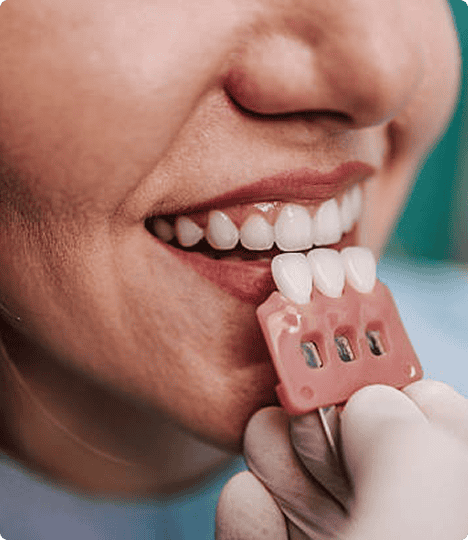
A bone graft is a surgical procedure that rebuilds and strengthens areas of the jaw where bone has been lost, creating a solid foundation for dental implant placement. It is ideal for patients who have been told they lack sufficient bone for implants and want a reliable solution that makes long-term implant treatment possible.
At Queen Dental we perform bone grafting using high-quality grafting materials and advanced digital planning to prepare patients for successful and lasting implant results.



What Is A Bone Graft?
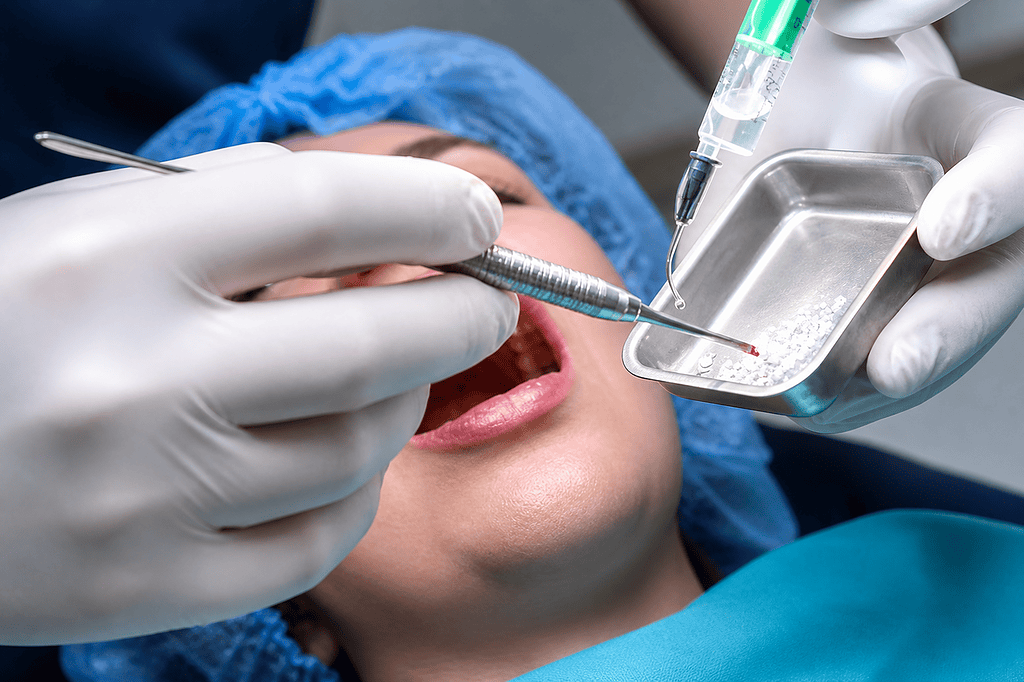
A bone graft is a procedure that rebuilds lost bone in the jaw. It helps restore strength and volume in areas where the bone is too weak or too thin. This creates a stronger foundation for future dental treatment.
Bone grafting is often recommended before dental implants. It helps when the jaw does not have enough bone to support the implant properly. This improves stability and long-term success.
At Queen Dental, bone grafting is planned with precision and care. Detailed imaging is used to assess the jaw and choose the right approach. The goal is to prepare the area for safe and predictable treatment.
Hear From People Who Chose QUEEN DENT
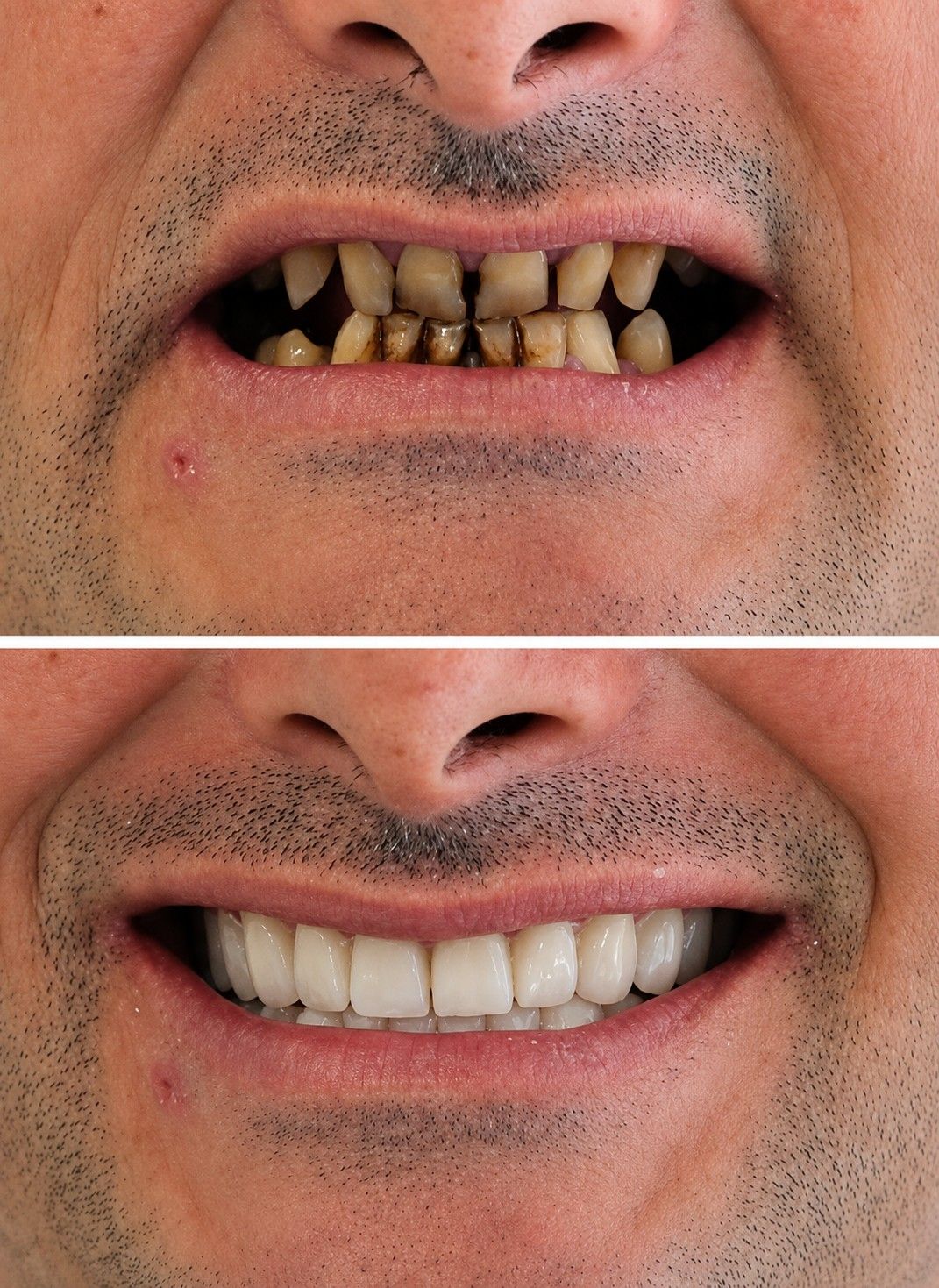
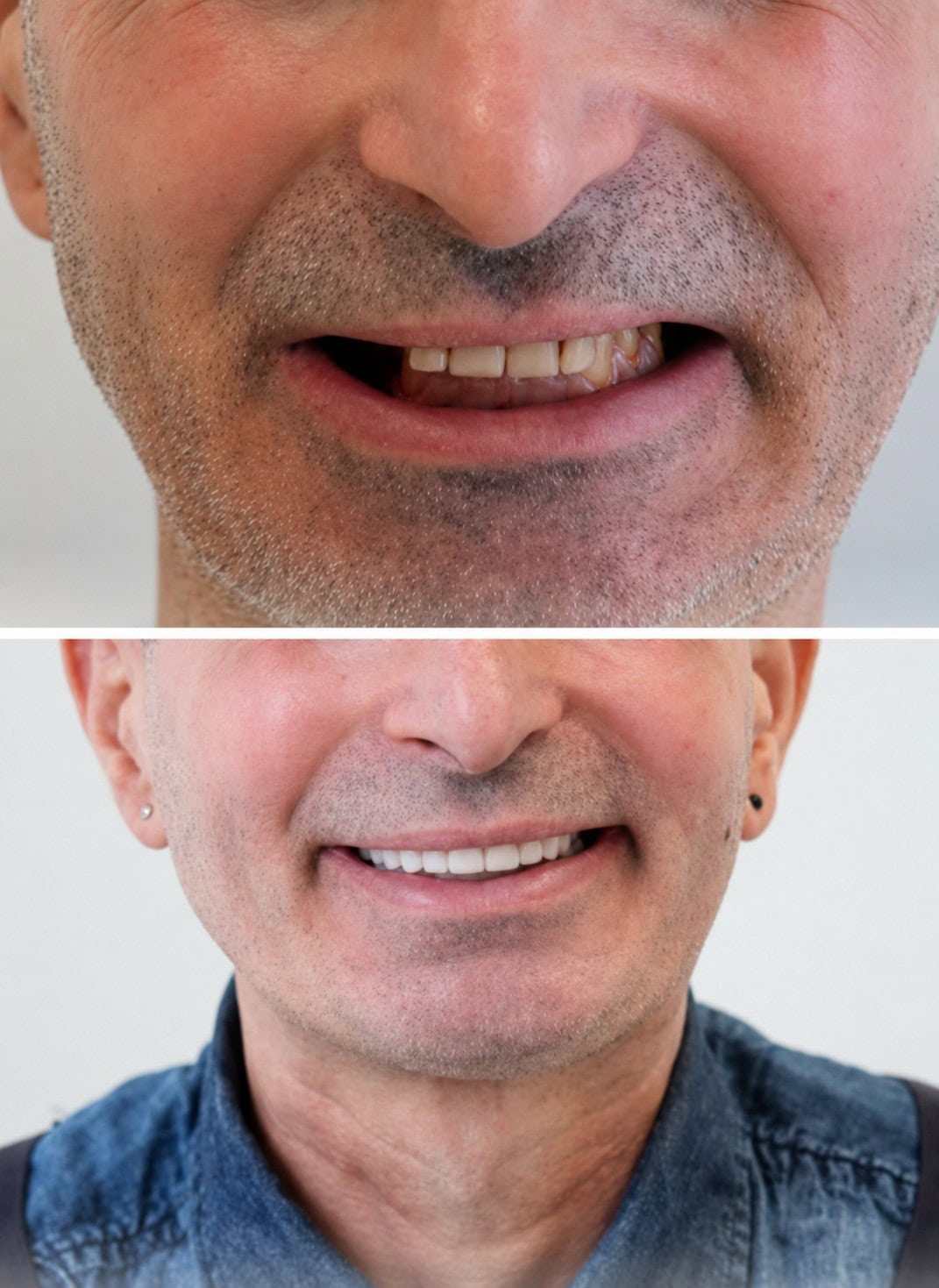
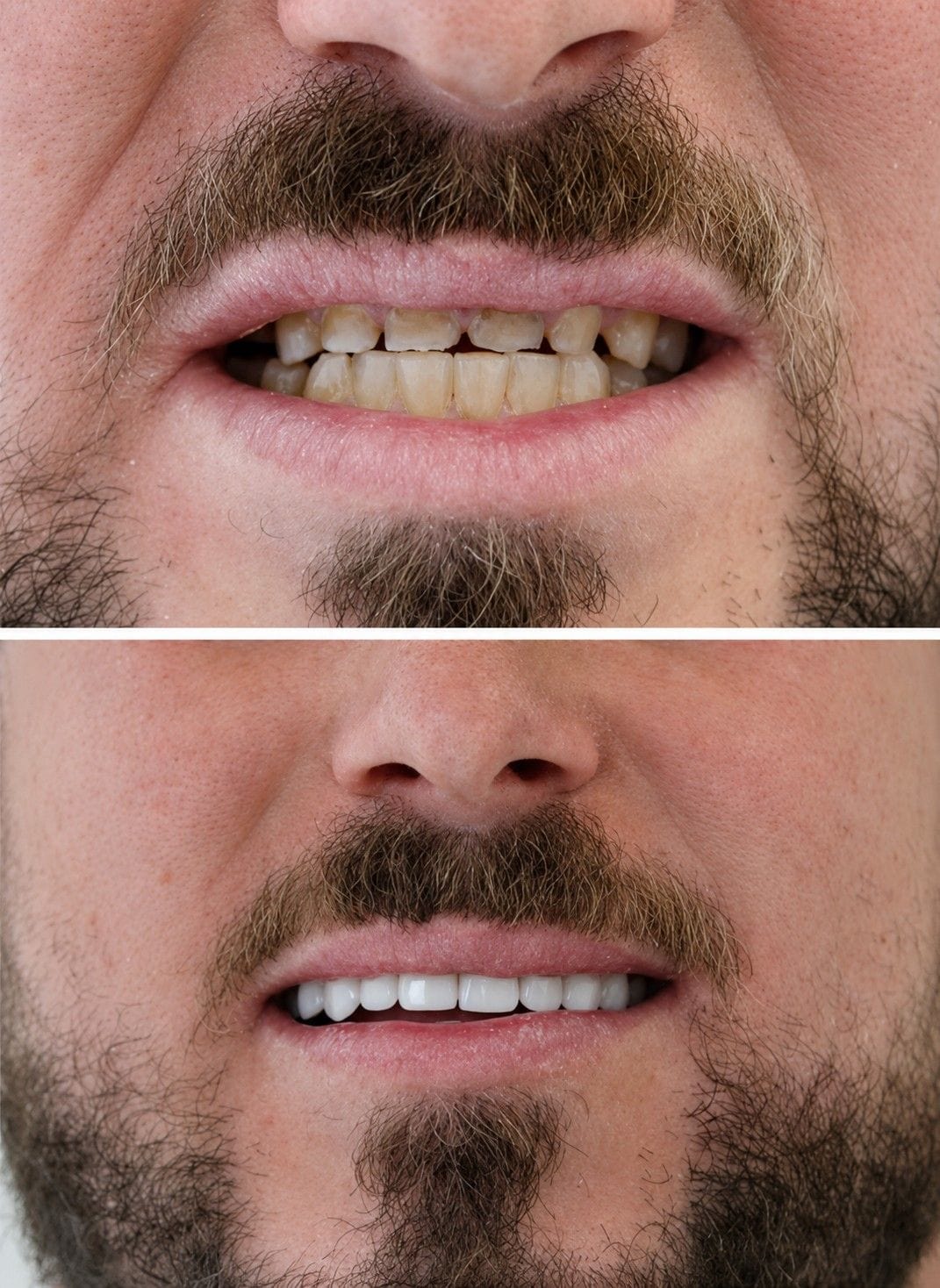
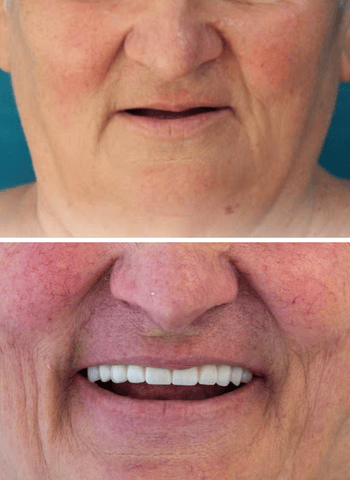
Patients Who Were Told There Was No Solution — Until They Came Here
Real patients. Real cases. Watch their stories.


Bone Graft Procedure Step By Step
Step 1: Initial Consultation -> Treatment begins with a detailed consultation at Queen Dental. The dentist examines your teeth, gums, and jawbone to see if bone grafting is needed. This helps create the right treatment plan for your case.
Step 2: Digital Scans And Assessment -> Digital X-rays and a 3D CBCT scan are used to assess the amount of bone loss. These images help the dentist plan the procedure with greater precision. Careful planning improves safety and predictability.
Step 3: Preparation Before Treatment – > The area is prepared before the bone graft is placed. In some cases, this may include tooth extraction or cleaning the site. The goal is to create the best possible conditions for healing.
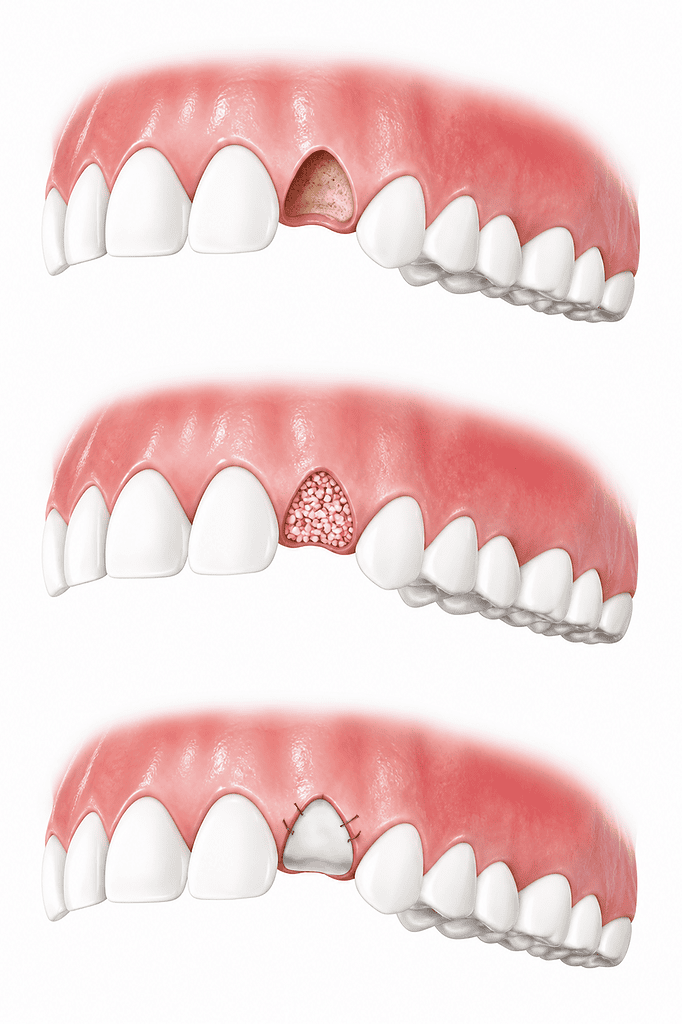
Step 4: Bone Graft Placement -> The bone graft material is placed in the area where extra bone support is needed. This helps rebuild the jaw and create a stronger foundation. The procedure is performed carefully to support healing and future treatment.
Step 5: Protection Of The Graft -> In many cases, a protective membrane is placed over the graft. This helps keep the material stable and protects the area during healing. It also supports better bone regeneration.
Step 6: Healing Period -> Over the next few months, the grafted area heals and new bone begins to form. This process is important for creating long-term strength and stability. Healing time depends on the amount of grafting and the patient’s condition.
Step 7: Re-evaluation For The Next Stage -> Once healing is complete, the area is checked again with follow-up imaging or examination. This helps confirm whether the jaw is ready for the next step, such as dental implant placement. The aim is to proceed only when the bone is strong enough.
Benefits Of Bone Grafting
Rebuilds Lost Bone
Bone grafting helps restore bone that has been lost in the jaw. This creates a stronger and healthier foundation for future dental treatment.
Improves Implant Support
A bone graft can make the jaw strong enough to support dental implants properly. This helps improve stability and long-term success.
Preserves Jaw Structure
Bone grafting helps maintain the natural shape and support of the jaw. This is important after tooth loss, especially when bone has started to shrink.
Makes Future Treatment Possible
Some patients cannot move forward with dental implants without additional bone support. Bone grafting helps prepare the area for safe and predictable treatment.
Helps In Advanced Cases
Bone grafting can be especially helpful in cases of severe bone loss caused by tooth loss, gum disease, or trauma. It gives more patients the chance to qualify for advanced dental treatment.
Request Your Free Quote
Prices
Our pricing is designed to be transparent and competitive, reflecting the quality of our treatments and materials. Each case is unique, so final costs may vary based on your specific needs and treatment plan.
Flying In for Treatment? We Handle Everything.
Patients come to Queen Dental from the UK, Italy, Germany, France, and beyond. We offer all-inclusive packages — treatment, accommodation, and airport transfers — at a fixed price with no surprises.
Our Patients Wanted to Share This with You
Trusted by guests from around the world, QUEEN DENT is dedicated to making every smile journey as comfortable and rewarding as possible.
Your New Smile Starts Here
Send your X-Ray for review. Our dental team will evaluate your case and guide you toward the right solution. Request your 100% free personalized quote.
Get Your Free Consultation

What Materials Are Used For Bone Grafting?
Autograft
An autograft is bone taken from the patient’s own body. It is often considered one of the most compatible bone graft materials because it comes from the patient. It is used in cases where strong biological support and bone regeneration are needed.
Allograft
An allograft is donor bone that has been specially processed for safe medical use. It is commonly used in dental bone grafting to rebuild areas with bone loss. This material helps support new bone formation and prepares the jaw for future treatment.
Xenograft
A xenograft is a bone graft material derived from animal sources, most commonly bovine bone. It is widely used in dentistry because it helps maintain volume and supports the healing process. Xenografts are often chosen when long-term structural support is important.
Synthetic Bone Graft Material
Synthetic bone graft materials are man-made materials designed to support bone regeneration. They are used to rebuild the jaw and create a stable base for dental implants. These materials are selected for their safety, consistency, and ability to support healing.
Who Is A Good Candidate For Bone Grafting?
When Is A Bone Graft Recommended?
A bone graft is recommended when the jaw does not have enough bone to support dental treatment properly, especially dental implants. It is often advised in cases where bone loss has already occurred and the area needs to be rebuilt before treatment can move forward.
- Not enough bone for dental implants
- Bone loss after tooth extraction
- Long-term tooth loss
- Advanced gum disease
- Jawbone shrinkage from wearing dentures
- Bone damage caused by trauma or infection
- Need to rebuild the jaw before future treatment
- Desire for stronger support and long-term implant stability
At Queen Dental, bone grafting is recommended only after careful examination, detailed 3D CBCT imaging, and precise treatment planning.
How Long Does A Bone Graft Last?
A bone graft can last for many years once it heals properly. In many cases, it becomes a stable part of the jaw and provides long-term support for future dental treatment.
Its long-term success depends on healing, oral health, the material used, and how well the area is maintained over time. At Queen Dental, bone grafting is planned carefully to create strong and lasting bone support, giving patients greater confidence in the quality and long-term reliability of their treatment.
Request Your Free Quote






Frequently Asked Questions
You may need bone grafting before dental implants in Albania if there is not enough jawbone to hold the implant securely. Bone loss can happen after tooth loss, advanced gum disease, trauma, or years of wearing dentures. In dental care, proper bone support is essential because it directly affects treatment safety, stability, and long-term success.
Yes, bone grafting in Albania can be safe when it is performed after proper diagnosis, detailed imaging, and careful treatment planning. The safety of the procedure depends on the condition of the jaw, the material used, and the experience of the dental team. At Queen Dental in Albania, bone grafting is planned with precision to support safe, predictable, and medically appropriate results.
A dental bone graft procedure in Albania is usually performed under local anaesthesia, so the area is numb during treatment. Mild swelling, soreness, or discomfort can happen after the procedure, especially in the first few days. Patients at Queen Dental Albania receive clear aftercare instructions to support healing and reduce post-treatment discomfort.
The healing time after a bone graft before dental implants depends on the size of the graft, the material used, and the patient’s healing response. In many cases, several months are needed for the graft to integrate and create strong bone support. This healing phase is important because it helps make dental implant treatment in Albania more stable and reliable.
The materials used for bone grafting in Albania may include autograft, allograft, xenograft, or synthetic bone graft materials. The right material depends on the amount of bone loss, the treatment goal, and the condition of the jaw. At Queen Dental Albania, the graft material is selected carefully to support healing, stability, and long-term treatment success.
The cost of bone grafting in Albania depends on the amount of bone needed, the type of graft material, and whether the procedure is combined with other treatment such as dental implants. Smaller and more straightforward grafts usually cost less than complex cases that require more extensive reconstruction. At Queen Dental in Albania, patients receive a personalised treatment plan and a clear quote after consultation.
Exceptional Results Delivered
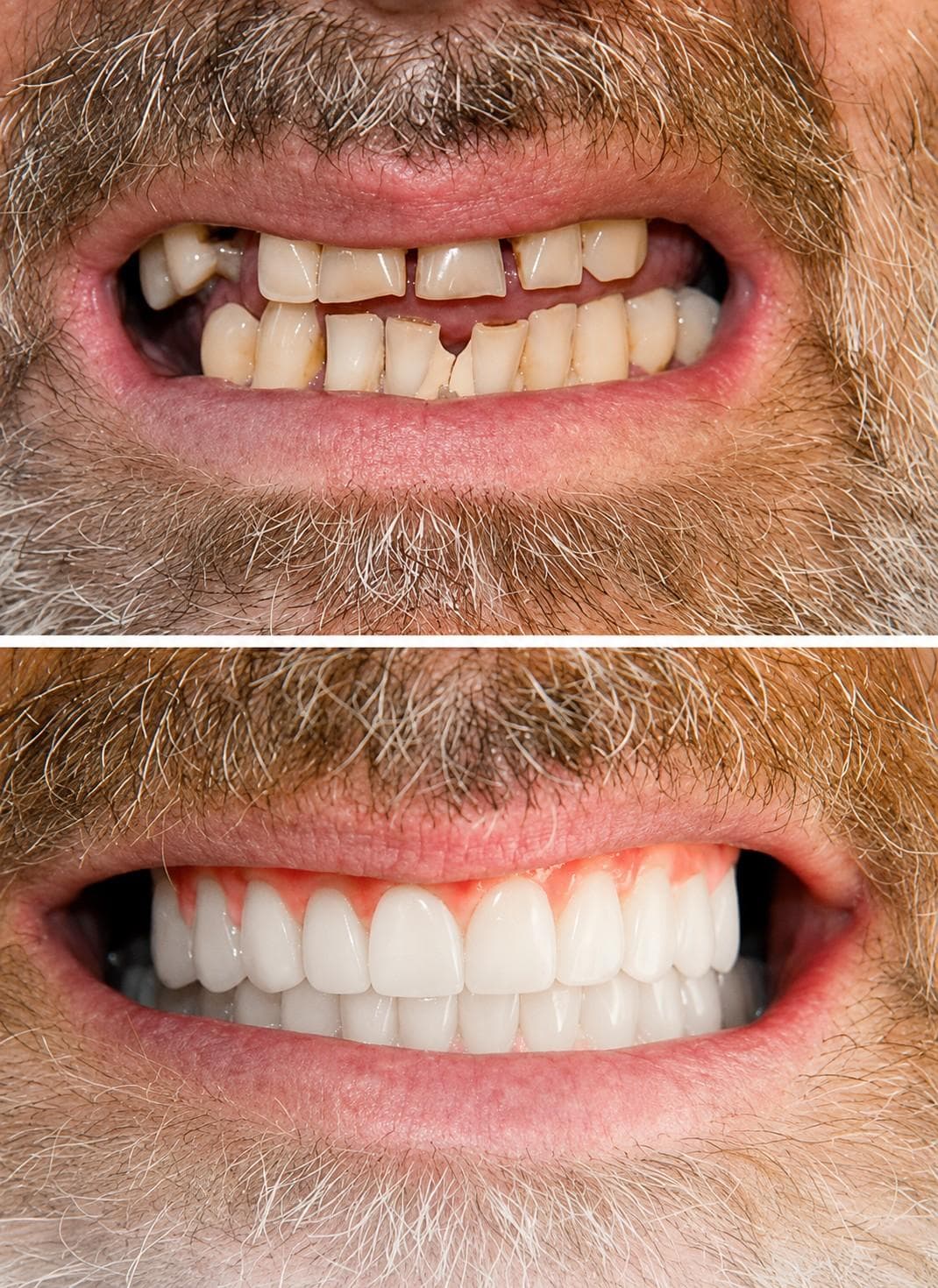
Your smile is designed with care, delivered with expertise, and built for long term confidence.